Can a Damaged Tree Be Saved, or Does It Need to Be Removed? | Tree Removal in Daphne, AL
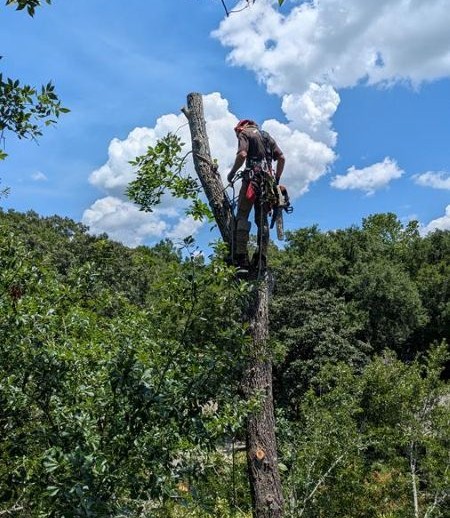
After a Gulf storm or a sudden limb drop, it can be hard to tell if a tree in Daphne can recover or if it poses a danger. This guide explains how pros decide, the signs a tree cannot be saved, and when professional tree removal service is the safest path. You will also learn what to expect during a visit from Ascent Tree Works so you can protect your home and family.
How Arborists Decide to Save or Remove a Tree
Certified arborists look at safety first, then long-term health. They check the trunk, roots, and canopy to judge whether the tree can regain strength without putting people or property at risk.
Safety Risk Comes First
If a tree could fall onto a home, driveway, play area, or power line, the risk may outweigh any chance of recovery. Even if leaves look green, hidden cracks or root issues can turn a “maybe” into a hazard during the next windy day.
Structural Damage and Stability
Pros examine trunk splits, cracked unions where limbs meet, bark that has peeled away, and the root flare at ground level. The goal is to decide whether bracing, cabling, or selective pruning could stabilize the structure or whether removal is the responsible choice.
Health, Species, and Site Conditions
Some trees bounce back better than others. Live oaks often compartmentalize wounds well, while brittle pines may not. Soil saturation near Mobile Bay, shade patterns, and past pruning also affect recovery.
Keep people and pets away from a damaged tree until a pro evaluates it. In Daphne’s windy season, a limb that looks steady today can fail without warning when gusts return.
Clear Signs a Tree Cannot Be Saved
These red flags point to serious, often irreversible problems. If you see them, schedule an assessment right away.
- Sudden leaning with soil heaving or exposed roots on one side, especially after heavy rain.
- A trunk split that runs deep into the heartwood, or a U-shaped crack at a major branch union.
- Large areas of missing bark, crushed cambium, or a ring of torn tissue around the trunk.
- Active decay such as mushrooms at the base, soft or hollow wood, or carpenter ant galleries.
- Multiple major limbs broken high in the canopy, leaving big, ragged wounds.
- Persistent dieback from the top down, paired with thinning leaves across the crown.
Do not ignore sudden leaning. Lean often means root failure, which can progress quietly beneath the soil. A second storm can finish the job.
Storm-Damaged Tree Assessment in Daphne, AL
Along the Eastern Shore, fast-moving squalls and tropical systems bring saturated soils and coastal gusts. In neighborhoods like Lake Forest, Montrose, Belforest, Malbis, and Olde Towne Daphne, wind exposure varies block by block. Trees that looked fine in June may struggle after a September deluge.
During an assessment, Ascent Tree Works reviews wind direction, soil drainage, and how nearby trees sheltered or stressed the damaged one. Split limbs over driveways, play sets, or roofs get priority because falling wood there carries higher consequences.
If you need broader guidance about tree removal in Daphne, AL and how it fits into your long-term landscape plan, start there and then book a focused site visit when a single tree worries you.
When Tree Removal Is Necessary in Daphne, AL
Removal is recommended when the likelihood of failure is high and the target area is hard to avoid. A leaning pine over a bedroom, a split water oak above a driveway, or a decayed pecan within reach of a neighbor’s fence are typical examples. In these cases, waiting invites damage during the next line of storms.
What to expect with removal:
- Pre-job walkthrough to confirm drop zones, equipment access, and property protection.
- Sectional dismantling with rigging where space is tight, or controlled felling when there is room.
- Stump options from flush cut to grinding, based on your plans for replanting or hardscape.
- Clean-up of limbs and debris so lawns, beds, and driveways are tidy when the crew leaves.
Every property is unique. Lot size, tree species, and season affect planning and crew setup. Your arborist will explain the safest approach for your site.
When a Damaged Tree Can Be Saved
Not every storm mark calls for removal. Some trees heal with smart structural pruning, targeted weight reduction, and in select cases, steel cabling or through-bolting by a trained crew. Pruning cuts are placed to guide future growth and reduce leverage that could tear out weak unions next season.
Recovery depends on key factors:
Extent of canopy loss: light breakage is often manageable. Wound size and location: smaller, clean cuts on the outer canopy seal faster. Trunk and root condition: solid wood with no decay offers a better foundation for long-term strength.
Storm-damaged trees can be unpredictable. A professional should confirm that any remaining defects are stable enough to keep nearby spaces safe throughout the year.
Local Clues That Matter After Gulf Weather
Daphne’s sandy, well-drained soils can dry fast after a storm, but pockets of clay hold water longer. Repeated saturation weakens anchoring roots and can cause lean after the ground loosens. Salt spray nearer to Mobile Bay stresses foliage and can delay leaf-out, so patience and monitoring are part of a smart plan.
If your property sits on a slope in Lake Forest or a wind channel near Highway 98, gust patterns can change how a wounded limb behaves. An arborist who works here daily understands these micro-conditions and plans work around them.
How Ascent Tree Works Evaluates Risk and Outlines Options
When you schedule a visit, we map fall zones, inspect the root flare, probe suspect wood, and study the canopy for hidden fractures. We explain the findings in clear terms, prioritize safety, and give you a practical path forward, whether that is selective pruning, structural support, or removal.
If we recommend removal, you will understand why. If we advise saving the tree, you will know the maintenance steps and the timeline for rechecks. Either way, you get a plan that fits your property goals in Daphne.
Protecting Your Property Before and After Storm Season
Good timing reduces risk. Late winter and early spring are ideal for structural pruning of many species here, before storms build. After a rough weather stretch, a quick visual check helps catch problems early so they can be addressed under calm conditions.
- Schedule a periodic structural review for large oaks, pines, and pecans that shade driveways, roofs, or play areas.
- Discuss wind-loading and canopy weight with your arborist so future growth stays balanced.
- Plan removals that are clearly necessary before hurricane season, when schedules tighten.
When in doubt, bring in a certified arborist. A one-hour evaluation can prevent years of worry and unexpected storm cleanup.
Real-World Examples Around Daphne
After a late-summer squall, a mature live oak in Montrose lost a large lateral over a driveway. The trunk was sound, so targeted reduction cut leverage on the opposite side and preserved the tree’s shape. In Lake Forest, a leaning pine with fresh soil heave was flagged for removal because root failure had already begun.
These cases show the range of outcomes. Similar damage does not always mean the same fix. Site conditions, species traits, and what the tree is likely to hit are the deciding factors.
What You Can Expect From Start to Finish
From the first call to final cleanup, communication stays clear. You get a scheduled arrival window, a walk-through before work begins, and a check-in as each phase wraps up. Debris is hauled away or staged per your request, and the crew treats lawns, beds, and hardscapes with care.
If a crane or special rigging is needed, we explain why and how the setup protects your property. We also outline any temporary access paths for equipment and how we will restore those areas afterward.
Need Help Deciding Today?
If you are staring at a split limb or a leaning trunk, do not wait for the next thunderstorm. A quick assessment will tell you if saving is realistic or if it is time to plan safe removal. For fast guidance from Ascent Tree Works, call 251-929-4889.
Want a clear, safety-first plan from local experts who work the Eastern Shore every day? See how our crew handles complex takedowns and cleanup on our tree removal service page, then schedule your visit with Ascent Tree Works.
Call Us
Connect With Us
Leave a Review

Need Your Tree Removed?Contact Our Tree Services in Daphne Today!
